Showing posts with label lupins. Show all posts

Thursday, May 25, 2023

Just because

Just a few flowers from a friend's garden.

Petunias

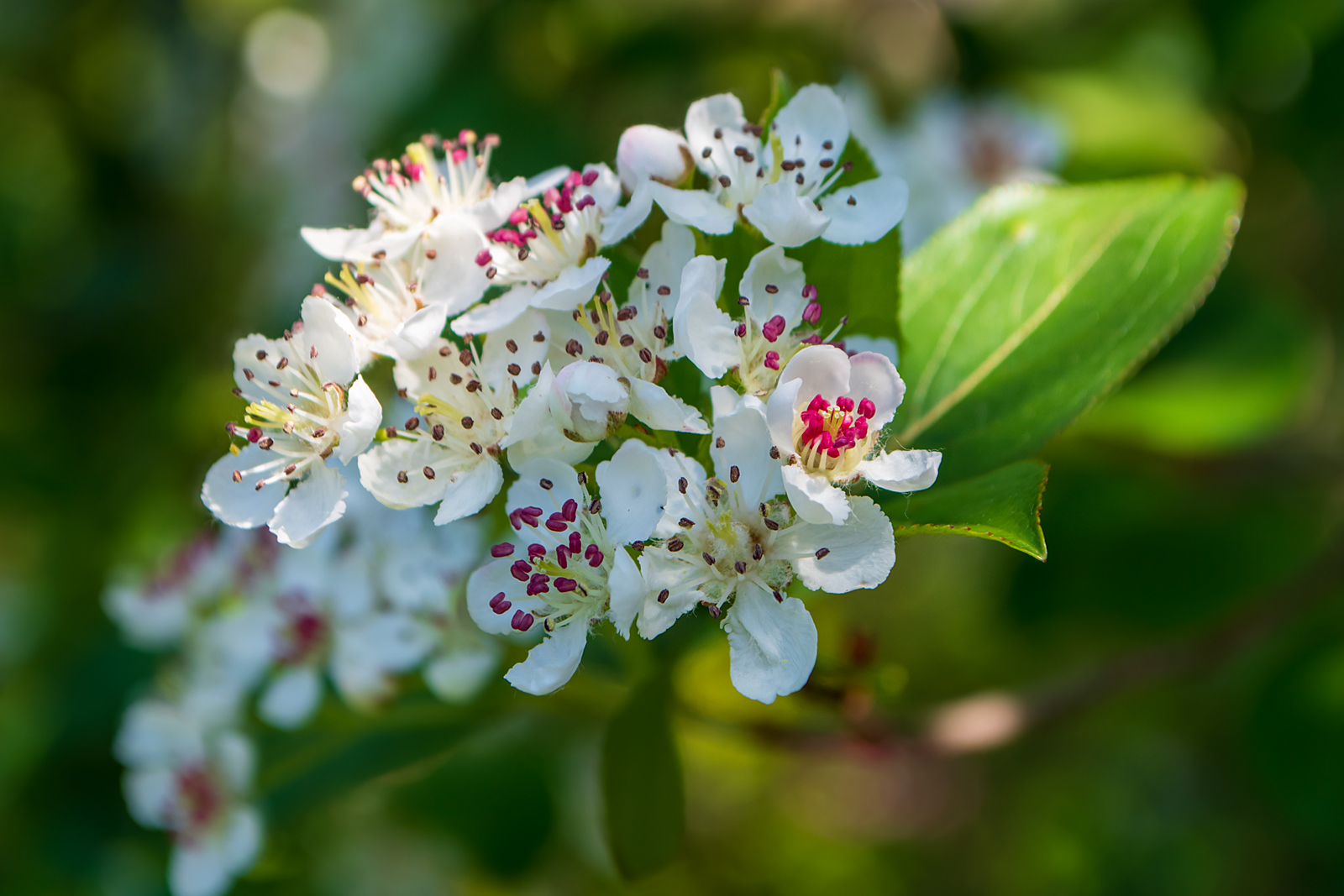
Pyrachantha
 
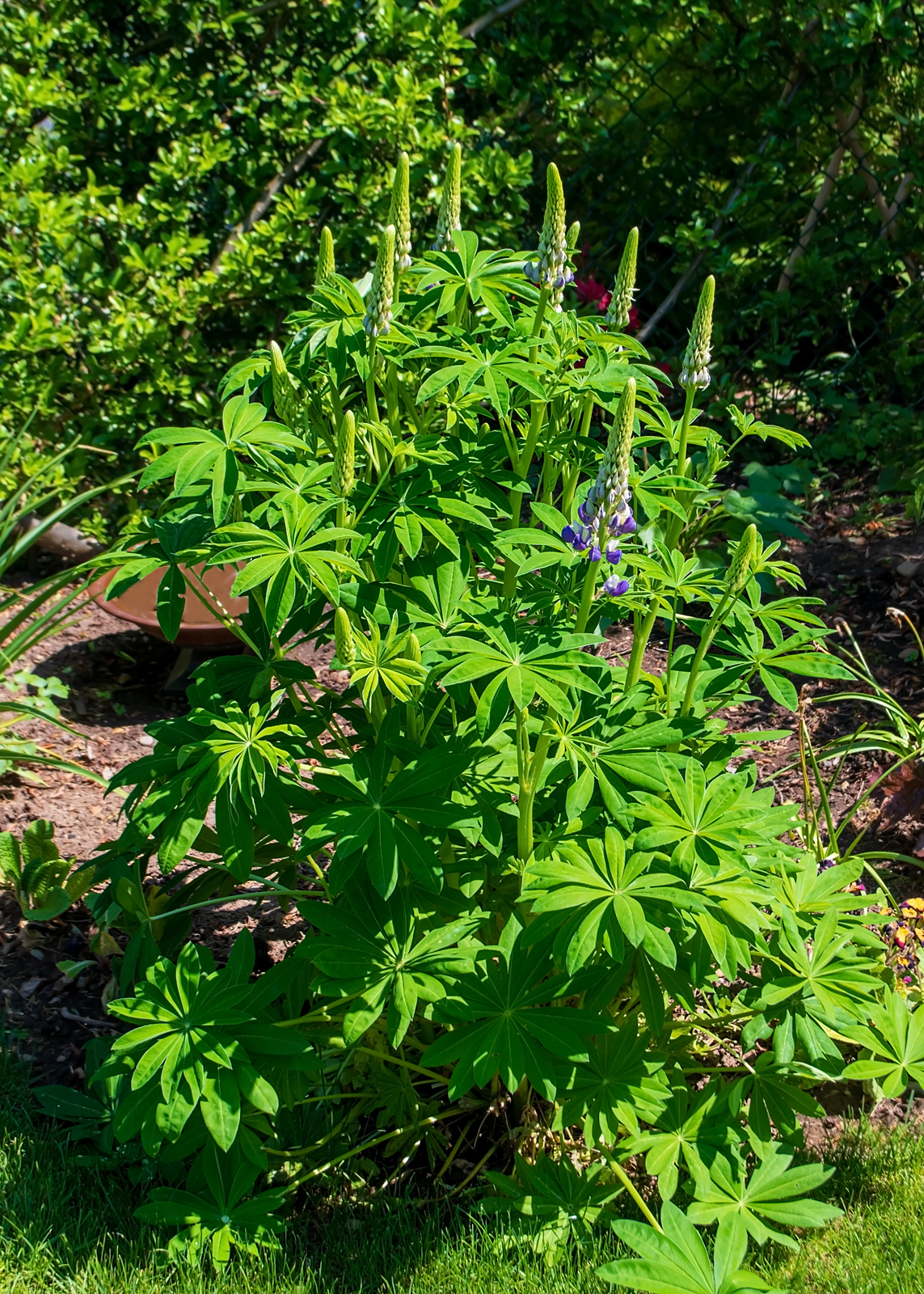
There will be lupins

And there are always geraniums.

And here at home, my mock orange bush has two flowers and umpteen buds.

~~~~~~~~~~~~~

Unas cuantas flores del jardín de una amiga.

  1. Petunias
  2. Espinas de fuego, Pyracantha spp.
  3. Habrá lupinos azules
  4. Y siempre hay geranios.
Y aquí en casa, mi arbusto de Philadelphus ya tiene dos flores, y un montón de botones.

Monday, June 14, 2021

Tall and purple

The lupins are blooming!

Many-leaved lupine, Lupinus polyphyllus

These were growing in the ditch beside the highway north. Further south, on the upper highway, they cover large sections of the hillsides.

We have five native lupins; this one can be identified by the number of leaves from a central point; 10 to 17, say my guidebooks.

They like wet feet.

One thing a bit worrisome. As I sat there on the bank, looking at lupins, I didn't see one single bee or other pollinator working on the flowers. There may be one on a leaf in the first photo. But there should have been a constant buzz around the stalks.

One more. No bees.

~~~~~~~~~~~~~~~~~~~~~~~~~~~~


Los lupinos están en flor. Las fotos: el lupino de muchas hojas, Lupinus polyphyllus en la zanja al lado de la carretera hacia el norte. También los hay en grandes números, más al sur, bordeando la carretera superior.

Tenemos cinco especies de lupinos nativos; esta se puede reconocer por el número de hojuelas que salen de un punto central: de 10 a 17, según mis libros guía. Los otros lupinos llevan menos.

Una cosa que me preocupa; sentada allí al lado de la zanja por un buen rato, no vi ni una sola abeja, ni ninguna de los otros insectos polinizadores. Parece que hay una abeja en una de las hojas, pero nada más. Normalmente, las flores estarían rodeadas de una nube de abejas buscando polen.

Saturday, July 04, 2020

Hard at work

Here's another bee. This one's busy on a wind-blown lupin.

Coming in for a landing

She's carrying a small bag of pollen already.

July is a busy month for pollinators. So many flowers!

~~~~~~~~~~~~~~

Aquí hay otra abeja. Esta está buscando polen en un grupo de lupinos. Ya trae una bolsita de polen en una pata.

Hay mucho trabajo para las polinizadoras en este mes de Julio. ¡Tantas flores que hay!

Friday, June 14, 2019

So busy

Lupins ...

New buds at the tip, seeds starting to form at the bottom. Time's a-wastin'!

And bee ...

With orange saddlebags.

Same bee, same lupin stalk, but so many flowers! So much work!

Taken by the side of the highway north, in a brisk wind. The lupins sway from side to side, but the bee seems in control, landing precisely on each flower, no matter what way it's moving.

Tuesday, May 30, 2017

Promised glory

Lupins, Little River

It's still early: the patch is mostly leaves.

I'll have to go back in a couple of weeks; can't afford to miss a field of blooming lupins!


Monday, June 16, 2014

A bit past their prime

The lupins in Elgin Heritage Park last week were "a bit past their prime," I said. That wasn't quite fair to them; it all depends what we consider their purpose to be. Sure, some of the flowers were dead, others were losing their shape and colour, but the plants were still hard at work towards their goal, producing seed.

Hairy, immature seed pods and the remains of flowers.

The pods will be dry, brown, and rattly before they're done. They'll split open then, scattering dried "peas" to start the next generation.

And there's more going on:

There's still pollen for the bees . . .


and sap for fat, grey aphids.

There are still oodles of new stalks, with hundreds of flowers each, dying at the bottom, still budding at the tip.

Second-growth tip, just getting started.

Past its prime? Not even there yet!


Wednesday, March 26, 2014

Rain and mud and flowers

It's been pouring rain again, keeping the birdbath full and the pathways muddy, keeping us looking out the window at garden work to be done when and if it ever dries out. In my shade garden, winter-demolished plants are lifting their heads, putting out new, optimistic growth. The primulas are covered with flowers now, white and yellow, and all spattered with mud. Laurie's lupins, planted from seed last year,are almost six inches high already. (The ones I planted in the semi-shade barely made it through last summer; I don't expect to see them again.)

Baby lupins on the last sunny day

And after budding, being frozen back to the ground, growing and budding again, and being frozen yet again, the various hellebores have rebounded, as if that's the sort of winter they were expecting. One in the semi-sunny garden is in full bloom, even though the plant itself is short; this is its first spring.

I had to clean off some mud, of course. Quite a bit of mud, actually.

And last year Laurie kept saying he wanted a Daphne, and finally found a small one near the end of the summer. I couldn't see his point: the flowers are tiny, stiff-looking, and dwarfed by the leaves; the sap may irritate skin, and they're prone to a variety of diseases like root rot, yellowing, and leaf browning. And they should be planted in the spring, anyhow!

I've changed my mind.

Waxy flowers in a rosette of leathery leaves.

Yes, I see the brown spot. And the yellowing of the leaves. But the buds started forming while everything else was still frozen, and now they're fully open, while the other plants are barely getting started. And the flowers are high enough to be out of the mud, too!

More: reading up on these, they're supposed to be fragrant. I hadn't realized, and so I didn't bend down to take a sniff. As soon as it stops raining, I'll remedy that.

Wednesday, June 05, 2013

The trouble with lupins

They're show-offs.

They parade over hills and fields, dwarfing the buttercups and out-shining the wild roses, waving their flocks of rainbow-coloured petals, shaming the butterflies and meadowhawks. You always have to take just one more photo. And then another stalk yells out, "But look at me!"

Colours range from white, through pale creams and lilacs, to wine-purple and royal blue.

Magenta and lilac

Pale blue to rosa mexicana

Deep purple

Baby blanket pink

Delicious colours! The bees think so, too.

Feeding on most flowers, the bees' bags of pollen are yellow or orange. I noticed that these bees' bags are deeper colours; dark orange, red or even deep pink.

Nom, nom, nom!

Dangling skinny legs!
Next: Bear Creek Park

Tuesday, June 04, 2013

One single lupin

I've just started on the lupin photos; we took far too many. So many shades, such intriguing shapes, so many foraging bees! It's hard to decide which to keep.

For now, here's one solitary purple bloom.

Stripy petals, pink stem.

More tomorrow.

Wednesday, May 22, 2013

At home on shifting sand.

I'm still sorting photos from the last two weeks, going backwards in time, more or less. These are the remainder from the walk on the Boundary Bay shore dunes last week.

The dunes make up a large part of Boundary Bay Regional Park, and a narrow strip continues south to Beach Grove, separating the fenced residential area from the beach itself. In the park, we find scrubby brush, mosses and grasses, rabbits, wasps and dragonflies, and many birds, from the ever-present sparrows and crows to the osprey, hawks, and eagles that hunt overhead. On the strip along the waterfront, the trees and shrubs mostly disappear, giving way to large-headed sedge, beach pea, sea rocket, pale montia, red sorrel, more moss, and a variety of grasses.

Large-headed sedge, Carex macrocephala. This early in the year, the heads still show some green; later they will be a dark brown, stiff and scratchy.

Lupins are native to this area.  They like well-drained soil, and lots of sunshine, so they do well on the sandy foreshore. They are another pea, like the little (for now) lathyrus that are starting to bloom around this one's feet.

The climate on this spit of land dangling off the bottom edge of the Fraser delta is warm almost year-round, and most of the residents are enthusiastic gardeners. Most of the plants stay at home, but some find the shore too enticing to resist. They jump their fences and take to living wild.

A patch of irises establishing a beachhead. The whitish flowers in front are sea rocket.

Yellow iris. Going by the water droplets on the petals, a neighbour is encouraging it in its attempted takeover. The tall stem and berries are from an asparagus plant.

Not a welcome invader. Scotch broom, one of several thriving bushes. Another big patch is behind it, on the left.

While I sat on a log, waiting for Laurie to go back to the car to drop off his jacket, this little redhead came along to see if I had any crumbs. I left a bit of bread for him and his tribe.

Ant, sand, and sedge.

And on the sandy path back to civilization, we passed this swarm of tiny, tiny ants.

Part of the swarm

Zooming in. They were so active, and so small, that I could hardly distinguish one from the next. They seem to be quite long-waisted, and have a white stripe across the abdomen Could be Tetramorium, probably an import.

Homies and immigrants, country and city dwellers, working out a life together. Very Canadian.


Tuesday, September 04, 2012

Hairy lupin

A tiny lupin, ankle height, on Tyee Spit*, at the mouth of the Campbell River:

With brown dandelion heads, de-fluffed.

* Of which more, later.

~~~~~~~~~~~~~~~~~~~~


Once again, a reminder: Rock Flipping Day is next Sunday, September 9th. Instructions, history, etc.

Last year, several people wrote later, to say that they had intended to join in, but forgot until it was too late. So this year, I'm harping on the date. You can help by passing the word along. Thanks!
Powered By Blogger