Showing posts with label gardens. Show all posts

Thursday, January 25, 2018

Signs of spring

I try not to complain. BC winter weather is what it is; fickle, inconstant, but usually wet. Sunny and calm this morning, raining cats and dogs and the occasional fish just as I set out for a long drive on unfamiliar back roads, blowing and howling one moment, the whitecaps out in the channel spraying foam, and so peaceful that every building on the shore reflects cleanly off the water the next.

In a gap between weather extremes, I went to look at the garden. The dandelions and hawkweed are spreading out their new leaves, enthusiastically, as usual. I ripped handfuls out; their roots were already down a full handslength.

But the primulas are blooming, muddily. And my perennial parsley is back. And everywhere, the early blues are sprouting. Bluebells, hyacinths, crocuses, and maybe a tulip or two; at this stage, I can't tell which is which.


Bluebells, I think.

And my pink hydrangea is budding!

No complaints, then. The garden likes the weather, so I will, too.

Wednesday, November 29, 2017

Cold-weather aphid

In all the cold weather, most of my garden has shrivelled and shrunk. The nasturtiums are a smear in the mud, the hydrangea rattles pale brown heads in the wind. Only the alyssum still blooms, draped over the wall, scorning the rain that tries to grind it into the cement.

And the invasive (but still tolerated for its scented leaves) lemon balm, cut down to the ground a month ago, has sprouted new leafy stalks. I cut them down again and brought a handful in to make tea. But they turned out to be a home for aphids, and the whole kit and kaboodle ended up in a glass of water, growing under my window.*

Lemon balm leaves and aphid, on my kitchen counter

The plant is used to attract bees to make honey. It is also grown and sold as an ornamental plant. The essential oil is used as a perfume ingredient, but the plant has other culinary and medicinal uses. Lemon balm is used in some toothpastes. ... as a flavouring in ice cream and herbal teas, both hot and iced, often in combination with other herbs such as spearmint. It is ... also paired with fruit dishes or candies. Additionally, it can be used in fish dishes and is the main ingredient in lemon balm pesto. (From Wikipedia)

*I am too soft-hearted for my own good, sometimes.

And tonight, the evergreens are all glittering with new frost. Proper winter weather, finally!

Wednesday, April 27, 2016

Fluff monsters

Dandelions are stubborn. And sneaky.

My patch of "lawn" here in Campbell River is about one third grass, half hawkweed, and the rest dandelions. I'm working on digging out the hawkweed, mowing the grass, and cutting down the dandelions as they appear. But the dandelions cheat.

Some of the dandelion heads stand tall, waving defiance. Most of them, though, slide along the ground under the grass until they're ready to go to seed. Then they pop up, toss their fluff into the wind, and sneer at attempts to harness them.

Dandelion seeds, brought inside where they won't reach the lawn. I hope.

A cut dandelion, left lying to die, will go to seed as happily as if it were still attached to its roots. A pollinated dandelion flower cut in pieces will still make seeds. A composted dandelion will leave seeds that can still germinate years later.

Yesterday afternoon, I mowed the lawn short, then walked back and forth, digging out dandelion stalks hiding under the grass until I couldn't find any more. In the evening, when I came home, half a dozen seed heads were standing tall. I collected them, and found another handful of hidden stalks. Today, there were three handfuls of flowers ready to go to seed, all hidden under the grass.

It's discouraging.

Not only do the seeds fly everywhere, they're equipped to hold on tight once they've landed, and maybe gain a bit more distance by sticking to animal fur or feathers. Or my shoes.

The seeds are covered in hooks.

One seed, ready to fly.

Zooming in. Six long ribs on this one, each with dozens of sharp hooks. A seed may have up to 12 ribs.

This species is a somewhat prolific seed producer, with 54 to 172 seeds produced per head, and a single plant can produce more than 5,000 seeds a year. (Wikipedia)

Yikes!


Wednesday, June 24, 2015

A few more garden delights

And June's not over yet!

Hydrangeas, close up, look like water-colour paintings.

And roses look like roses. One of these days, they'll figure out how to transmit scent over the web. So sweet!

I was kneeling on our excuse for a lawn, taking photos of a buttercup (too vibrantly yellow, too glossy, too dancing-in-the-wind happy for my camera) when a baby leafhopper dropped out onto a leaf below.

Leafhopper nymph, almost completely colourless. Against drying moss, with a few spare blades of grass.

Passion fruit flower. Or is it a visiting mini-ship from outer space, parked in a neighbour's garden? Or just Ma Nature using up leftovers from beetle production?

Tomorrow: anther unexpected beastie in my tank.


Sunday, June 21, 2015

Totally immodest

The gardens and sidewalks are full of exhibitionists these days, shamelessly advertising their sexual availability, sending come-hither messages far and wide.

Flowers, in other words.

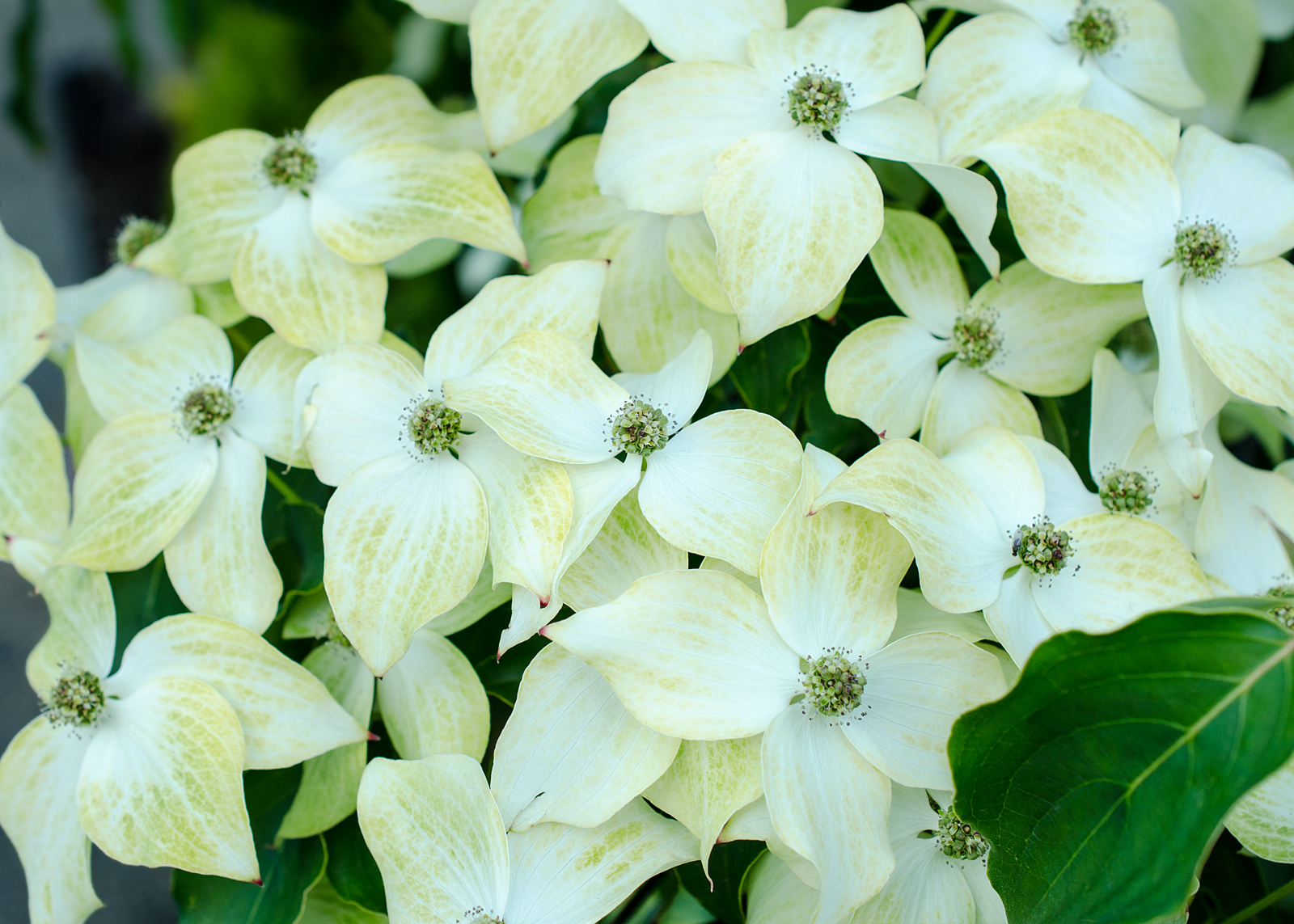
Dogwood, Cornus nutallii, probably.

The flowers are clumped together in a tight ball in the centre of the arrangement, sort of like a bride's bouquet. Each one looks like a greenish little tub with white petals, tipped with purple; the whole posy is surrounded by tethered satellite anthers.* The white "petals" are bracts; they're coarse and leathery to touch.

Zooming in on one of the flower clusters.

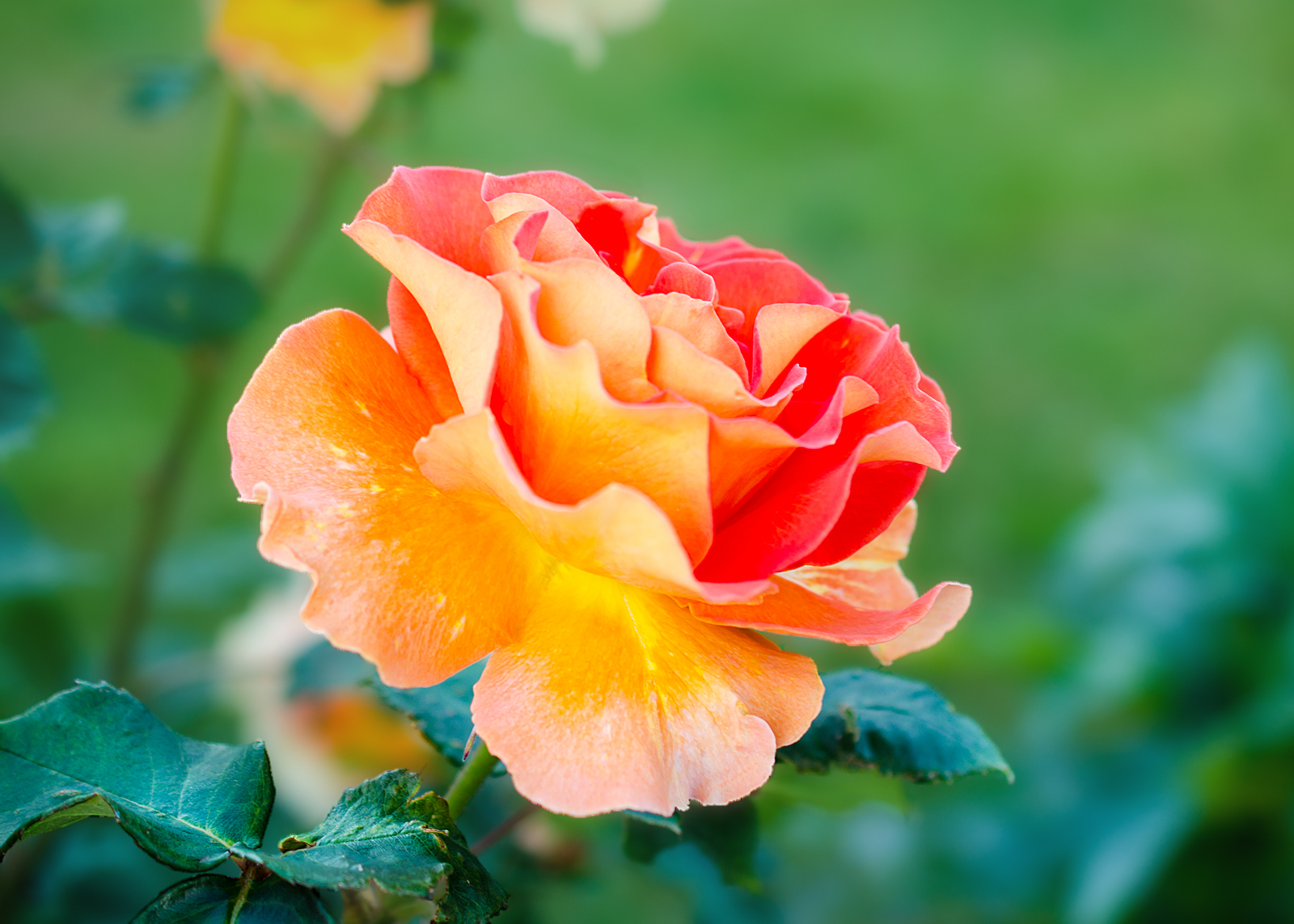
Pink and orange rose.

My columbine keeps on flowering as long as I remember to deadhead frequently.

The first flowers on my tiny salal, Gaultheria sp. The first one has a swollen ovary; she's building a purple berry in there.

I bought three baby salal plants a couple of years ago, each one a different species. Only two survived, and now I don't remember which of the survivors was the native, Guaultheria shallon, and which was an import.

Unidentified, so far. *Update: it's Olympic Bellflower, Campanula piperi. Thanks, Sara!

This plant had escaped a pot and was crawling along a wall in Beach Grove. Laurie took its photo a couple of years ago. A couple of months ago, I went to see how it was doing, and the owner of the house was there. I asked him about the plant; he didn't know what it was, told me it was likely to be invasive, and insisted on digging up a good-sized chunk for me.

I put it in a wide hanging pot and forgot to water it until I noticed it had almost died. Since then, I've remembered, and it has grown. And grown. It has filled the pot and is loaded with flowers.

I've looked it up on Google (who can't count and doesn't know its colours) but I can't find anything to match. Do you recognize it?

Two flowers, the roundish, jagged-edged leaves, and a bonus orange spider.

And I've got another batch of blooms waiting in the camera.

*How's that for mixed metaphors?

Friday, July 04, 2014

Their week to shine.

In my deep shade garden, the beginning of summer almost seems like an ending. The Dutchman's breeches are long gone; so are the primulas and bleeding hearts and bergenias. I deadheaded the last of the rhododendrons last week. The columbine is still holding on to its last two small flowers, but they're fading.

And the hydrangea is barely starting to get some blue around the edges. The garden rests for a spell. Except for the hanging baskets -bacopas, nasturtiums, begonias and lobelias, (and those are cheating, because I bought the plants already thriving this spring) - the perennial part of the garden is a study in greens, nice to look at, but a bit uninspiring.

And then the astilbes burst into glorious flower; so very welcome! It's been windy, and the feathery spikes wave enthusiastically, calling pollinators, "Here we are, come, come! Soup's on!"

Almost red. This is a smaller plant, with only one spike this year, but the colour makes up for it.

And there's a large clump of these, tall and mobile, swaying together to inaudible music. Two days ago, they were all a greenish white; now the tiny flower heads are opening.


Monday, April 14, 2014

Spring fever season starts.

It was sunny and warm for the second day in a row. So of course, we went out and bought oodles of dirt and compost, a hose hanger and lavender just ready to flower. And Laurie spread manure and raked, while I lazily sat on the ground in the sun and took photos of tiny wild violets.

Volunteers; no fussing needed. My ideal plant!

And I found a strange fly on the rhododendrons.

Another one for BugGuide.

All in all, a productive afternoon.

Wednesday, March 26, 2014

Rain and mud and flowers

It's been pouring rain again, keeping the birdbath full and the pathways muddy, keeping us looking out the window at garden work to be done when and if it ever dries out. In my shade garden, winter-demolished plants are lifting their heads, putting out new, optimistic growth. The primulas are covered with flowers now, white and yellow, and all spattered with mud. Laurie's lupins, planted from seed last year,are almost six inches high already. (The ones I planted in the semi-shade barely made it through last summer; I don't expect to see them again.)

Baby lupins on the last sunny day

And after budding, being frozen back to the ground, growing and budding again, and being frozen yet again, the various hellebores have rebounded, as if that's the sort of winter they were expecting. One in the semi-sunny garden is in full bloom, even though the plant itself is short; this is its first spring.

I had to clean off some mud, of course. Quite a bit of mud, actually.

And last year Laurie kept saying he wanted a Daphne, and finally found a small one near the end of the summer. I couldn't see his point: the flowers are tiny, stiff-looking, and dwarfed by the leaves; the sap may irritate skin, and they're prone to a variety of diseases like root rot, yellowing, and leaf browning. And they should be planted in the spring, anyhow!

I've changed my mind.

Waxy flowers in a rosette of leathery leaves.

Yes, I see the brown spot. And the yellowing of the leaves. But the buds started forming while everything else was still frozen, and now they're fully open, while the other plants are barely getting started. And the flowers are high enough to be out of the mud, too!

More: reading up on these, they're supposed to be fragrant. I hadn't realized, and so I didn't bend down to take a sniff. As soon as it stops raining, I'll remedy that.

Sunday, September 08, 2013

Pinhead spiders, pinhead spider food

With the onset of fall weather, we've been hurrying to finish postponed summer gardening chores, and settle the gardens in for the rains. In the last three days, Laurie chopped down a small tree and we dug out its roots. By hand, digging and chopping, prying and scraping. I thought we'd never get it done. I've finished cutting down the summer's crop of ivy that was making a new onslaught on our evergreens. The rhododendrons are pruned. My shade garden is cleaned up, fertilized and mulched. The hawkweeds are no more.

Whew!

I was too tired to look at the blog yesterday.

This afternoon, the last thing I (thought) I would do before I quit for the day was to cut off a couple of old hydrangea flower heads whose stems had broken.

There were spiders among the drying petals. I went for the camera.

Worn out dark blue hydrangea

The spiders were all tiny, some barely big enough to cover a pinhead, some slightly bigger, but more mobile.

I snapped umpteen variants of this; Ma spider just slipping around to the far side of the stem.

And as I chased spiders, I found a whole community of critters, so small that I hadn't realized they were there. So that's what all the spiders have been eating!

Snail, a couple of millimetres across.

Another snail.

Whiteflies. About 1 - 2 mm. A pest, but they weren't too numerous. And winter is coming.

Baby American house spider. Probably eats whiteflies; they're about her size.

Another one. These were so small that I couldn't see what they were with the naked eye.

A small meadow spittlebug, Philaenus spumarius, about 1/4 inch long. Another of the critters that keep moving to the far side of the leaf.

A very small weevil that I couldn't identify. I like his back markings; the back side of a comic-book hawk? A Sasquatch in a rain cape?

Earwig hiding in the crotch of a flower stem. A composite; one photo had the head in focus, another had the tail. And none had the middle. And then the 'wig ran away.

This earwig was from a few days earlier, on a rhododendron leaf. I really want to get a good photo because I love the markings on the thorax. Try again!

This spider, and several others like her, fell out of the flower heads as I de-leafed them. They're very fast runners.

Chased but not caught: a flock of those orange flies with the red, red eyes. And I put my head, again, through a cross spider's web.


Monday, July 22, 2013

In a riotous garden

Every gardener has their own philosophy of growing things. There are the planners, with their matching trees and balanced areas: the get-it-done-and-forget-it types, looking for easy care plants: the pot movers, who are never content with an arrangement: the clippers and pruners; our last neighbour was one of those. Every weekend he spent the daylight hours undoing all the happy growth that his shrubbery had managed that week.

I am more haphazard. Things get put in -- "here, for now" -- wherever I find a space. I pick up plants I like, then figure out what to do with them later. I don't leave many empty spaces.

Laurie likes a specimen garden, with almost no duplication. It's all very tidy; he fusses over leaves blown in from the maple trees on the street.

My son has an older house with a big lot on the sunny slope of New Westminster, a prime garden spot. And he's at the lavish end of the enthusiast curve. He loves anything that grows, large plants, useful plants, curious plants, old familiar flowers, wild "weeds", exotics, things raised from seeds begged off other gardeners, herbs for the pot, plants that someone said could be eaten, even bigger plants. And he doesn't believe in restraining them; they have their life to live, and he lets them be. And they respond, reaching for the sky above, spreading roots and branches to cover every millimetre of space. Fruit trees, raspberries, day lilies, roses, corn and peas and broad beans, cilantro and epazote, lilacs and grapes (the vine covers most of his shed and is reaching for the nearest pear tree), maple, potatoes, and sunflowers, abelia and lavender, blue-blossom, ... the list goes on.

His compost heaps are over my head.

And the insects love it! He doesn't mind; they're as much a part of the exuberant life in that garden as the veggies are.

Yesterday's bee and the butterfly from the day before were on his abelia bush. And here are a few more.

I don't know what kind of beetle this is. It's a Flower Longhorn. Very angular about the shoulders, with a pointed rear end and marvellous antennae.

A syrphid fly, I think. Now it's the flowers I can't identify. They tower over my head.

Honeybee on the same flower heads.

Dazzling nasturtiums, with tiny white flies here and there. And spiders hiding in the leaves.

Red hollyhocks, far overhead. This one has a few tiny black beetles in the centre.

This vine covers the back half of the shed and is on its way over the driveway to the house. No bugs that I could see on this stalk, but the whole shebang was a-buzz with bees and a tribe of long-legged wasps.

More tomorrow, too.

Powered By Blogger