Showing posts with label columbine. Show all posts

Friday, June 05, 2026

Mostly pink

Do plants wake up in the morning and say, "Oh, good, it's raining"? No? Ok, I'll say it for them: Oh, good, it's raining! And all my plants are happy. The rosebuds have all turned into roses, the peonies are top-heavy with pinkness, and the dahlias have suddenly burst out with new flower buds.

Two more days of gentle rain, they're promising us before the heat comes back. In a rainforest, that's always good news.

And here are a few more flowers from this week, before the rain.

The first of the peonies.

Colour markings in a half-opened flower.

Sea thrift.

Sweet rocket. Another invasive "weed", but I keep a space for them anyhow.

Rosebuds. All open now.

The first of the columbines.


And my scarlet runner beans have started climbing up their stakes. Yay!


~~~~~~~~~~~~~~~~~~~~~~~~~

¿Despertarán las plantas en la mañana diciendo — ¡Qué bien! ¡Está lloviendo! — felices? ¿No? Bueno, yo lo dig: ¡Qué bien; está lloviendo!. Y todas mis plantas están contentas. Los capullitos del rosal todos se han convertido en rosas, las peonías hacen una explosión de color de rosa, y las dalias ya están cubiertas de botones nuevos.

Nos prometen dos dias más de lluvias finas antes de que regrese el calor. En tierra de bosques pluviales, eso siempre se considera buenas noticias.

Y aquí hay otras flores que salieron esta semana, antes de que empezara a llover.

  1. Las primeras de las peonías.
  2. Los colores de un botón medio abierto.
  3. Clavelinas de mar, Armeria maritima.
  4. Julianas, Hesperis matronalis. Esta planta es otra de las dichas "hierbas malas" invasivas, pero yo siempre le dejo espacio en una esquina del jardín.
  5. Estos botones ya están completamente abiertas.
  6. Las primeras de lasd columbinas, Aquilegia sp.
Y mis frijoles escarlata (judías escarlata, ejotes, o ayocote {nahuatlismo de ayecohtli} — no conocía este nombre antes), Phaseolus coccineus, ya empezaron a treparse en sus estacas. ¡Excelente! 

Wednesday, June 08, 2022

Annual columbine photos

I checked back through the years since I came to Campbell River. Each year, at the end of May or the first week in June, I posted photos of columbines. An introduced species last year, the native red columbine every other year.

So, following the pattern, here are this year's red columbines:

In a sunny spot on the edge of the forest, they look like a flight of butterflies.

Columbine, Aquilegia formosa, with buds.

This one reminds me of a jester's cap.

And I have to include this photo, even though it's blurry, because it has a bee, and bees are in short supply this spring.

He has his saddlebags full of pollen already.

~~~~~~~~~~~~~~~~~~~~~~~~

Revisé mis fotos de los años desde que vine a Campbell River. Cada año al fin de mayo o en la primera semana de junio, subí fotos de aquileñas, Aquilegia formosa. El año pasado fue una especie de aquileñas introducida; los otros años, fueron nuestra aquileña roja, que es nativa.

Siguiendo la costumbre, aquí subo las de 2022.

Foto # 1: un grupo de plantas; en el sol a la orilla del bosque, hasta parecen una manada de mariposas.

# 2: Con unos botones.

# 3: Esta se parece, creo, a un gorro de bufón.

Y esta última foto me salió borrosa, pero la tengo que incluir porque tiene una abeja, y las abejas son escasas este año. Esta ya tiene sus bolsas llenas de polen.


Tuesday, May 26, 2020

Red crowns

Columbines, growing in a ditch with their roots in the water.

Western (Red) Columbine, Aquilegia formosa

"Formosa" is from the Latin, "beautiful". And "Aquilegia" refers to eagles, possibly because of the spikes that look like talons. To me, though, the flower looks more like a crown.

These are one of my favourite flowers, usually found mixed in unobtrusively with other vegetation, always near water.

The red outer part of the flower are the sepals; the petals are the yellow tips of the tubes.

Columbine with hiding critter.

~~~~~~~~~~~~~~~

Estas flores son aquileñas, (Aquilegia formosa). Estaban creciendo en una zanja, con las raices en el agua.

Son una de mis flores favoritas. Crecen cerca del agua, mezcladas con otras plantas, casi escondidas.

El término "formosa" viene del latín, y quiere decir "hermosa". "Aquileña" se llaman porque, según dicen, la parte superior se parece a las garras de una águila. Para mí, en cambio, la flor parece una corona.

Las partes rojas no son pétalos, sino sépalos; los pétalos son las partes amarillas de los tubos. 

Sunday, June 04, 2017

Dove or Eagle?

Around a picnic area at Lake Roberts, wild crimson columbine brightens the edges of the forest.

Aquilegia formosa, a perennial native to the west coast.

The flowers are edible and sweet; hummingbirds love the nectar collected in the long spurs. But the seeds are poisonous and the rest of the plant may be problematic. I don't think I'll try the flowers; it's enough just to look at them.

My guide says that "Haida children were told not to pick the flowers or it would rain." And since it will always rain sooner or later on this wet coast, the elders were sure to be proved correct.

The name, in Latin, means "beautiful eagle"; the common English name means "like a dove, or pigeon". I can see the eagle, but not the dove.

A style has gone a-wandering. And what's that bug?

A syrphid fly with big, burgundy eyes and yellow striped legs.


Sunday, June 21, 2015

Totally immodest

The gardens and sidewalks are full of exhibitionists these days, shamelessly advertising their sexual availability, sending come-hither messages far and wide.

Flowers, in other words.

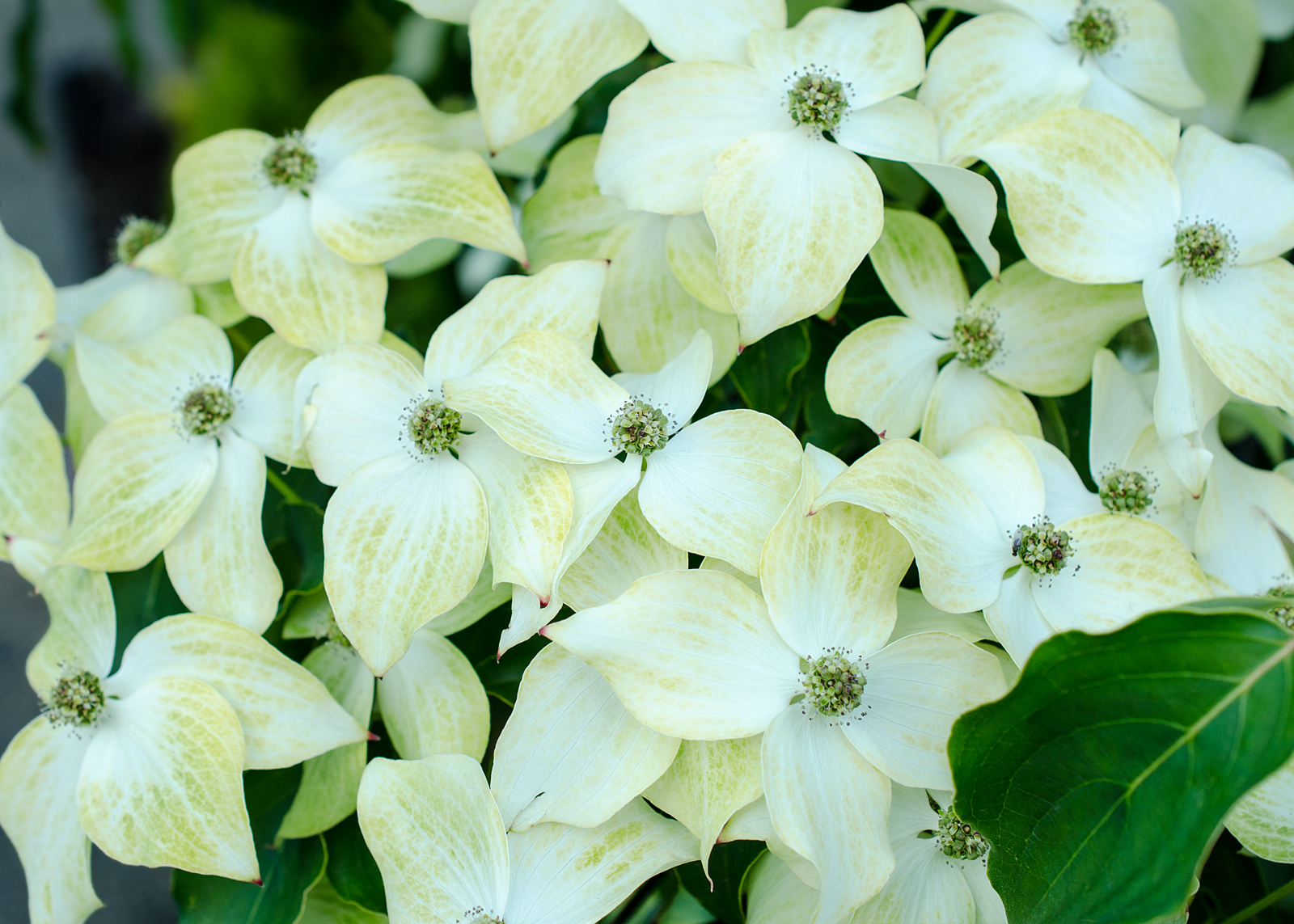
Dogwood, Cornus nutallii, probably.

The flowers are clumped together in a tight ball in the centre of the arrangement, sort of like a bride's bouquet. Each one looks like a greenish little tub with white petals, tipped with purple; the whole posy is surrounded by tethered satellite anthers.* The white "petals" are bracts; they're coarse and leathery to touch.

Zooming in on one of the flower clusters.

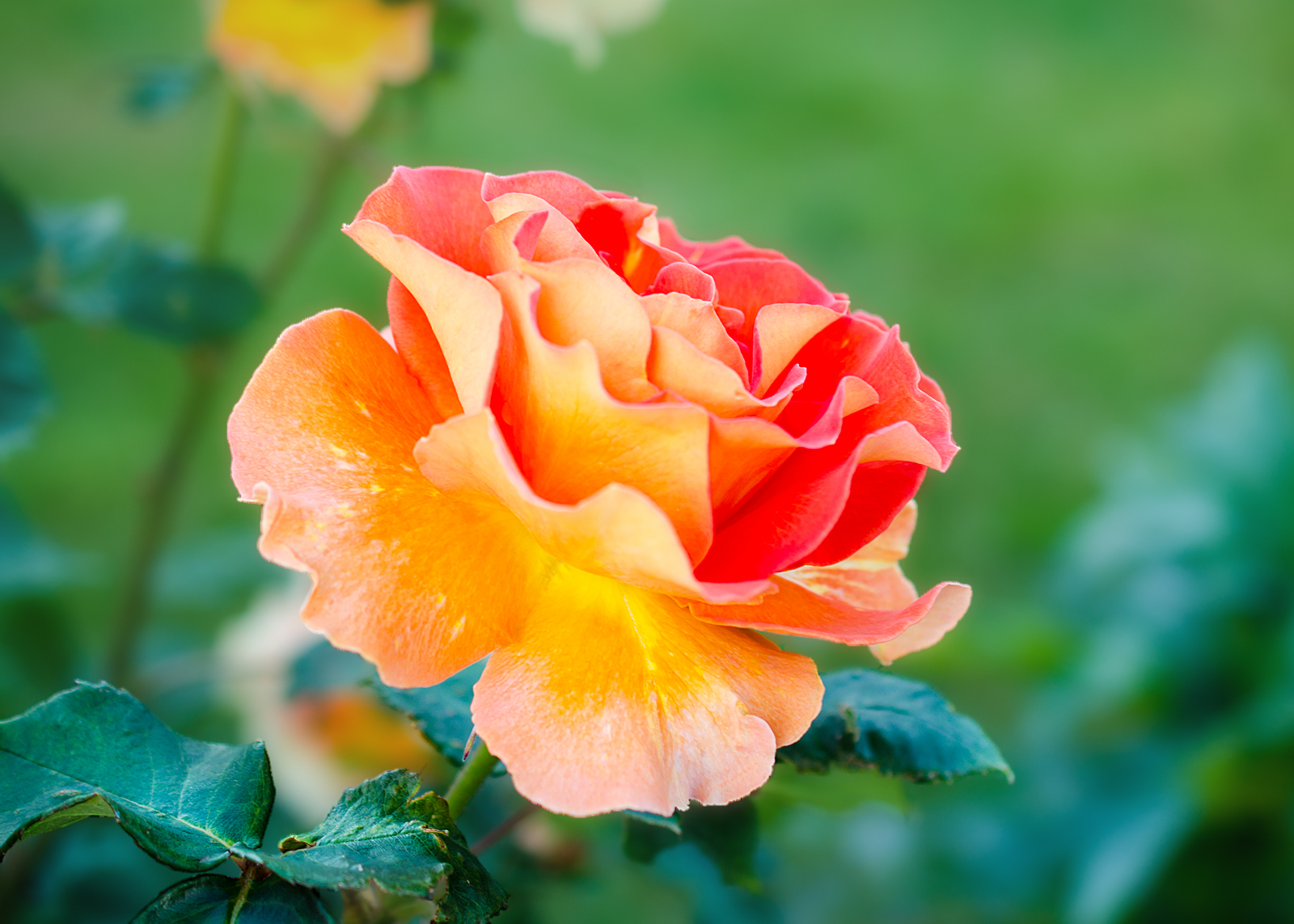
Pink and orange rose.

My columbine keeps on flowering as long as I remember to deadhead frequently.

The first flowers on my tiny salal, Gaultheria sp. The first one has a swollen ovary; she's building a purple berry in there.

I bought three baby salal plants a couple of years ago, each one a different species. Only two survived, and now I don't remember which of the survivors was the native, Guaultheria shallon, and which was an import.

Unidentified, so far. *Update: it's Olympic Bellflower, Campanula piperi. Thanks, Sara!

This plant had escaped a pot and was crawling along a wall in Beach Grove. Laurie took its photo a couple of years ago. A couple of months ago, I went to see how it was doing, and the owner of the house was there. I asked him about the plant; he didn't know what it was, told me it was likely to be invasive, and insisted on digging up a good-sized chunk for me.

I put it in a wide hanging pot and forgot to water it until I noticed it had almost died. Since then, I've remembered, and it has grown. And grown. It has filled the pot and is loaded with flowers.

I've looked it up on Google (who can't count and doesn't know its colours) but I can't find anything to match. Do you recognize it?

Two flowers, the roundish, jagged-edged leaves, and a bonus orange spider.

And I've got another batch of blooms waiting in the camera.

*How's that for mixed metaphors?

Friday, May 15, 2015

A spray of yellow buttons

In my shady garden.

Red and white columbine.

Last year, this plant produced two whole flowers. This year, it's loaded. That's the beauty of perennials; if they don't thrive this year, there's always next. With no work involved. (Weeding and watering and feeding and cultivating don't count as work; they're just an excuse to hang around outside and get my hands dirty.)

Powered By Blogger