Showing posts with label mud flats. Show all posts

Sunday, November 13, 2022

Made me happy Part 2

Here's another handful of photos from my "Things that make me Happy" folder. Again, in no particular order, chosen almost at random from the file.

Oyster Bay. Bird houses on poles, muddy tide flats with busy birdies, calm water.

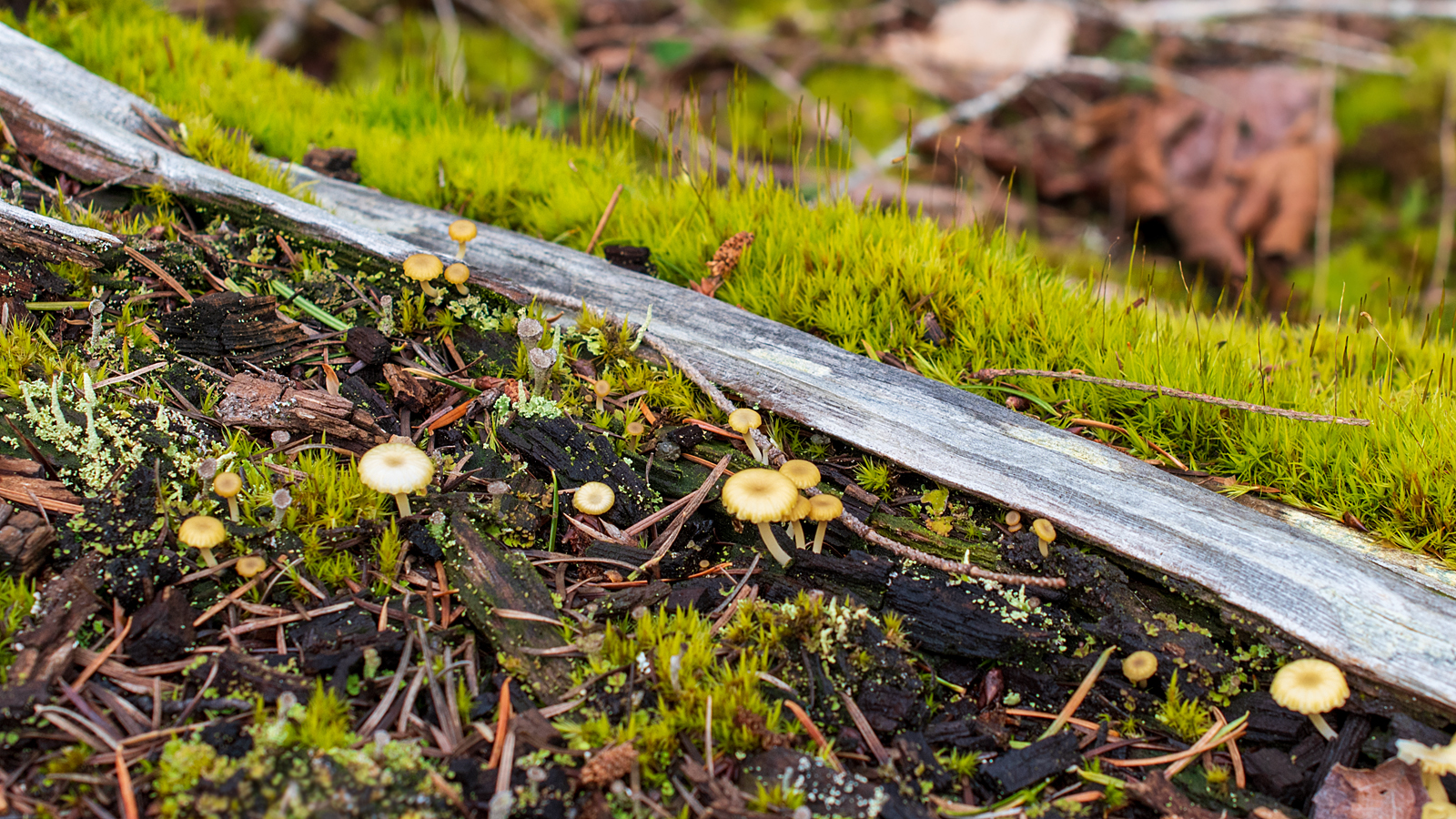
What's left of an old log in the little Oyster Bay woods. With lichens, mosses, and lichen agaric mushrooms, Lichenomphalia umbellifera. Which is really part of a lichen, with its associated alga, Coccomyxa spp.

Orange-striped green anemone, Diadumene lineata, installed in an abandoned snail shell. One the hermits won't get to use.

I love these little floating puddle-jumpers, so essential to contact with many of our Vancouver Island communities. A Cessna Skywagon.

The forest in fog and snow.

The old beaver lodge. I visit several times a year, and have never seen a beaver yet. Their tracks in the mud, yes.

Tartan Dahlia

More tomorrow.

~~~~~~~~~~~~~~~~~~~~~~~~~~~~
Sigo subiendo fotos de mi carpeta de "Cosas que me hacen feliz". Otra vez, escogidas casi al azar.

  1. La lagunita de Oyster Bay, con los nidos de pájaros encima de postes, la zona intramareal llena de lodo y de pajaritos felices, patos y gaviotas en la distancia.
  2. Un tronco caído, ya muy viejo, sosteniendo líquenes, musgos, y esos honguitos Lichenomphalia umbellifera, los cuales son, en realidad, una parte de un líquen, en conjunto con una alga Coccomyxa spp..
  3. Una anémona verde con rayas anaranjadas, Diadumene lineata, que se ha instalado en una concha de caracol marino. Esta no la podrán usar los ermitaños.
  4. Una avioneta con flotadores Cessna Skywagon. Me encantan estos avioncitos, tan trabajadores, tan necesarios para nuestras comunidades isleñas aisladas.
  5. El bosque con nieve en la neblina.
  6. La madriguera de los castores.  Visito esta madriguera varias veces al año y nunca he visto un solo castor. Sus huellas en el lodo, sí los he encontrado. Y cada vez ha crecido la madriguera.
  7. Una dalia, llamado "Tartan". El nombre en náhuatl: atlcocotlixochitl. (Acabo de descubrir esto; me gusta. Otra cosa que me hace feliz.)
Y mañana subo más.


Thursday, March 11, 2021

The estuary and its birds

The Myrt Thompson trail travels down the centre of the Campbell River estuary, following a narrow spit and a series of islets connected by 5 bridges, ending where the river comes together and widens into a bay. There's still one island and the enclosing Tyee Spit before the river reaches the ocean. The islands are mostly mud flats, covered with long grasses, brown most of the year.

Birds love these flats and the quiet backwaters as the river wanders around the islands.

Mud flat, with great blue heron and sleepy mallards.

Twig and branch fence, common goldeneyes.

The Wei Wai Kum band, as part of their wetlands restoration project, is installing these alder branch fences (weirs) just offshore around the mud flats, to encourage the growth of native sedges and reduce erosion.
The barriers keep geese and inquisitive kayakers out of sensitive ecosystems. ... Introducing native plants was another part of the restoration project. Which explains the lush sedge grass (also known as carex grass), along the banks. Sedge grass not only prevents the river banks from receding but is also an excellent source of protein for bears, geese and ungulates in the area.
“The grass is especially important for bears to get their digestive systems rolling in the spring when they wake up from their hibernation,” ... (VancouverIslandFreeDaily)

Drawing Vs in shallow, grassy water.

The north shore is still heavily industrial. Here, a line of goldeneyes crosses the centre of the river.

A common merganser heading downstream, half hidden by ripple patterns.

~~~~~~~~~~~~
El sendero "Myrt Thompson" baja por el centro del estuario del rio Campbell, aprovechando una lengua de tierra angosta y luego una serie de islitas unidas por cinco puentecitos, y terminando donde los varios canales del rio se juntan para formar una bahía. Falta todavía una isla más y luego la lengua de tierra Tyee, antes de que el rio salga al estrecho del mar. Las islas son, por la mayor parte, pantanos cubiertos de pastos y juncias, de color café por gran parte del año.

Y siempre hay pájaros, en el pasto, bajando con la corriente del agua, o descansando en las aguas tranquilas entre islas.

Primera foto: un pantano, con una garza azul pescando, y varios patos mallard dormilones.

Segunda foto: porrones osculados y una cerca de ramas.

La tribu Wei Wai Kum, como parte de su proyecto de restauración de los humedales, está instalando estas cercas hechas de ramas de aliso alrededor de las islas y pantanos para estimular el crecimiento de juncias nativas y para reducir la erosión.

"Estas barreras mantienen alejados los gansos y kayakistas curiosos de los ecosistemas frágiles. ... Introducir plantas nativas tambien fue parte del proyecto de restauración. Esto explica las juncias (Carex) exuberantes a las márgenes del río. Las juncias no solo protege las márgenes contra la erosión, sino que tambien es una fuente excelente de proteína para los osos, los gansos, y los ungulados (venados, por ejemplo) del rumbo.—Esta hierba es especialmente importante para los osos cuando salen de la hibernación en la primavera, para poner su sistema digestiva en marcha." (Del periódico VancouverIslandFreeDaily)

Tercera foto: patos marcando "V's en agua de poca profundidad.

Cuarta foto: Hacia el norte del río, el terreno está ocupada por industrias pesadas. Aquí una bandada de porrones cruza el centro del río.

Quinta foto: Una serreta grande, bajando por el río, casi escondida entre las ondulaciones del agua.

Wednesday, June 04, 2014

Squelchy, gooey, glorious mud!

Canada geese at low tide this afternoon along the Nicomekl River.

They could always fly, but maybe they like the feel of mud between their toes.

Anyhow, it'll all wash off in the river, once they get there.

Saturday, October 08, 2011

Just wondering ...

A young man at the local aquarium supplies store tells me that, if you wade out here and dig, you'll find big green crabs a few inches down.

That's all soft, sticky mud, all the way across (3 km.) to the Nicomekl river, and Crescent Beach.

Looking southwest to Tsawwassen. Mud flats, growing grass and pickleweed.

I wonder how far you could wade before you were up to your chin in mud. How deep does that mud go?

I wonder, too, how many different critters you would pass as you sunk beneath the goo.

A Skywatch post.

Monday, January 04, 2010

Getting muddy. Or not.

Along the highway leading into the Boundary Bay beach area, a sign warns of extreme high tides.  (Checking the tide tables, I see what they mean; across the bay from us, high tide was 13 feet. On the other side of the peninsula, it was just under 16 feet. That means the water comes right up to the walls that protect the community's back yards.)

We were lucky, though; we stopped at the inner end, the Mud Bay end, but we got there as the tide was going out.


Looks good. But it's slippery, soggy, mushy, sticky mud. Goopy mud.


Logs, mud, and watery mud.

Did I mention that we were on the Mud Bay end? Until it's been dry for a while, you can't walk there without good boots. Unless you're a horse with big, floppy feet:


Splash, splosh, plop.


Hope they like being groomed. They're going to need it.

My boots are in the bathtub, getting dry enough to clean. At least they're waterproof up to the zipper at the ankle. Laurie's shoes were not.

But the view was worth it.


Mount Baker, from a back yard. Not ours, unfortunately.


North Shore mountains, with a flight of sandpipers.

We brought home a few pale pink macoma clam shells* that had been tossed up alongside the walls. In one of them, I found a tiny flatworm (1/4 inch long), the palest, cleanest, almost transparent green; its miniature ruffled pharynx gleams whitely from its middle. How it stays that clean in sticky mud is a mystery.

*I didn't know this about macomas:
"Macomas are mud-dwelling clams which differ from most other bivalves in their mode of feeding. Most clams are filter-feeders. They draw water into a siphon, filter out nutrients and exhale the filtered water through another siphon. Macomas are deposit feeders. The inhalent siphon is very long and and sweeps over the mud, acting like a vacuum cleaner." From MBL (Woods Hole)

Wednesday, October 07, 2009

October colours, with mud for contrast

The mud flats. It's been a while since we last squelched across them. This Sunday afternoon felt right; we parked near the inner reaches of Boundary Bay and ventured out. The tide was low and the afternoon warm. A couple of kids, far out on the mud, were digging for clams, using only their hands. (I talked to them, and showed them how to find the exit tunnel of a mud dweller. And were they ever a mess! Mud critters, themselves.) A man threw sticks for his dog in the distance; other than that, the flats were quiet.


Those white spots are golf balls. There were several dozens scattered about, some new, some old. How and why they got there, I don't know.

Across the water, Mount Baker was practicing its levitation techniques. And hundreds of sandpipers fished for goodies far away along the tide line.


Mount Baker, flying. Sandpipers, wading.

The mud was not too deep here. It squished between our toes and spattered our legs, but didn't try to steal our sandals. We collected pink Macoma shells (with the two flatworms, but I didn't know that) and washed them off in little pools. We left the lugworms and snails in peace.


Lugworm heaven.


Lugworm poop.


Snail trails.


Trail blazers.


Under this volcano, a clam hides. I dug one out; it was flat and brown.

We walked to the edge. The tide was coming in, racing, the way it does here; we beat it back to the shore, and a passageway to the street. The fall foliage was a welcome sight after all that grey-brown.

Orange, yellow, red. And a pair of mailboxes.


Rose hips.

A pair of dragonflies, darners, were visiting the fruiting heads of sumac. They ignored the leaves. I wondered if they were feeding on insects feeding on the fruit.


Darner, possibly the Blue-eyed darner. A male, going by the three appendages on the tail end.


Red, yellow, green, blue.

Back at the car, a neighbourhood cat watched the street from our roof.

Whitey

We washed our feet under a handy tap beside a driveway, and went to Tim Horton's.
.

Powered By Blogger